Visiting places that take you back in time is truly a treasure. Old architecture and learning the customs and living conditions of people who came before us are truly amazing. Blazing a path to where we are today is spectacular to see and feel. I am blessed that my RV travels can bring me to those experiences.
Come along as I share with you some of my favorite history spots I have found with my RV travel.
L’Anse aux Meadows, Newfoundland
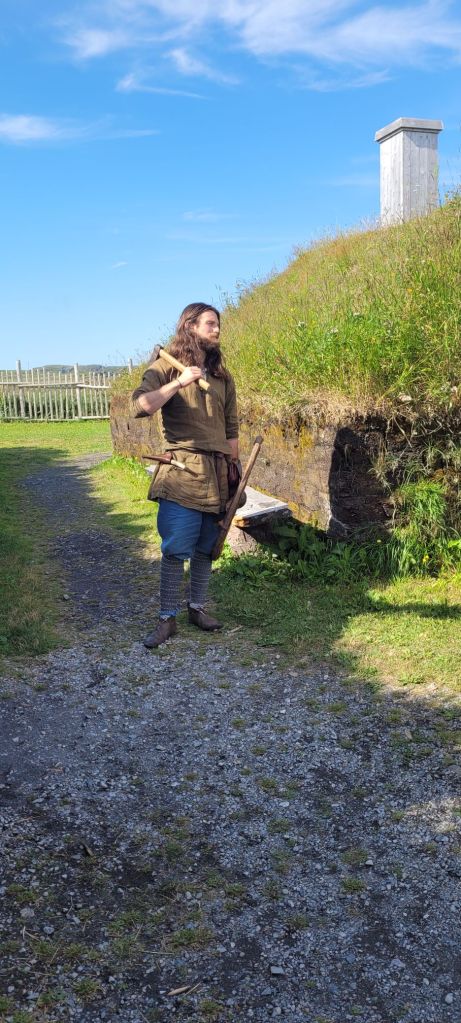
The Vikings. Stories and lore surround this nation of warriors. Large men draped in furs carrying a large weapon ready to battle to whoever crossed their path. Were they, though?
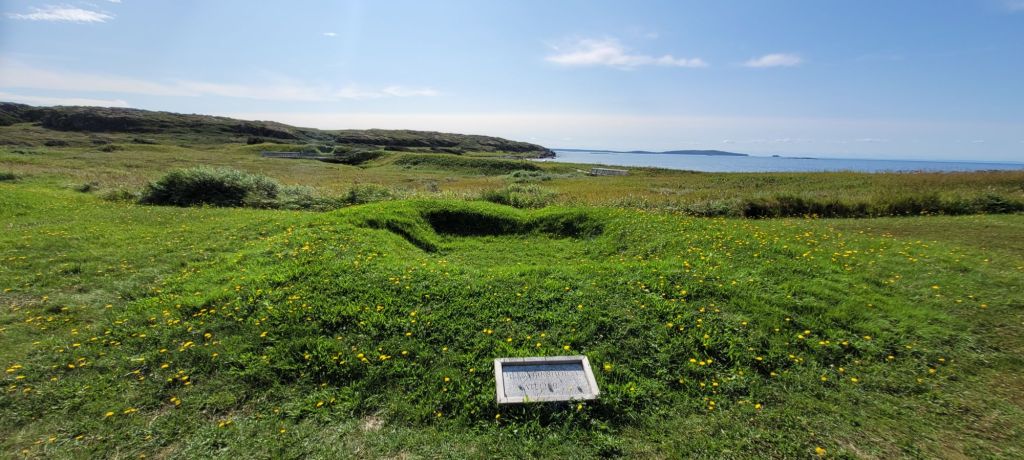
L’Anse aux Meadows gives you an entirely different perspective into who that nation was and how it lived. The only known Viking settlement in North America lies in the northeastern corner of Newfoundland. Quietly, it tells the story of the vikings who lived here.
This historic site represents a community built by trade. As the Vikings moved south from Greenland to Boston harbour, a rest stop was needed. The location provided a grateful respite to the violence of the sea in their long trek to trade their goods.
There are only remnants left of this 1000 year old site.
The buildings made with sod draped over wooden supports did not last until 1960 when the village was discovered. Archeologists discovered artifacts relating to each building they uncovered.
Norstead
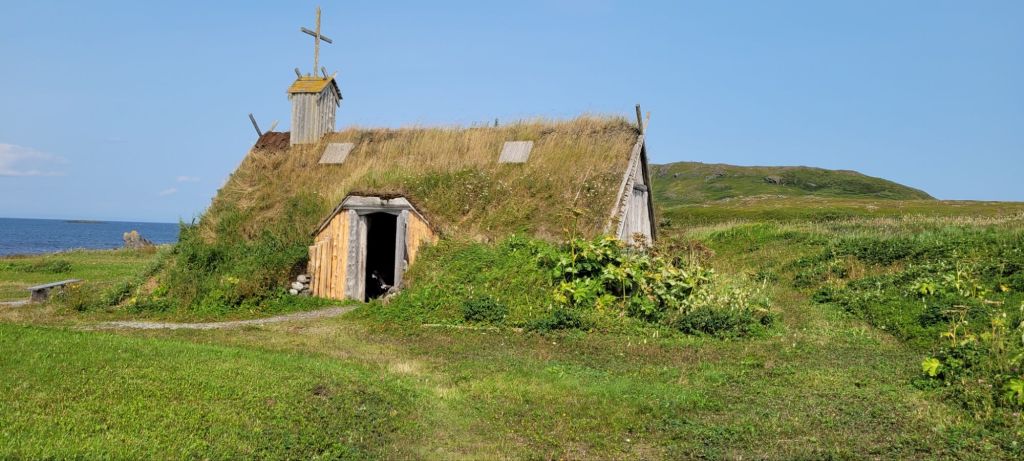
Want to see and experience what a viking village would have been like? Just down the road is Norstead. A recreation of a Viking Village like that of L’Anse aux Meadows. Experience how the vikings lived firsthand. Sit in the sod covered buildings, take a pottery class, or play a Norse game. Have a real viking experience at this unique RV travel destination.
Montezuma’s Castle, Arizona
Driving through Arizona, I noticed on my Atlas Obscura app Montezuma’s Castle. I have a special love of castles, so I knew this would be one of my Arizona stops.
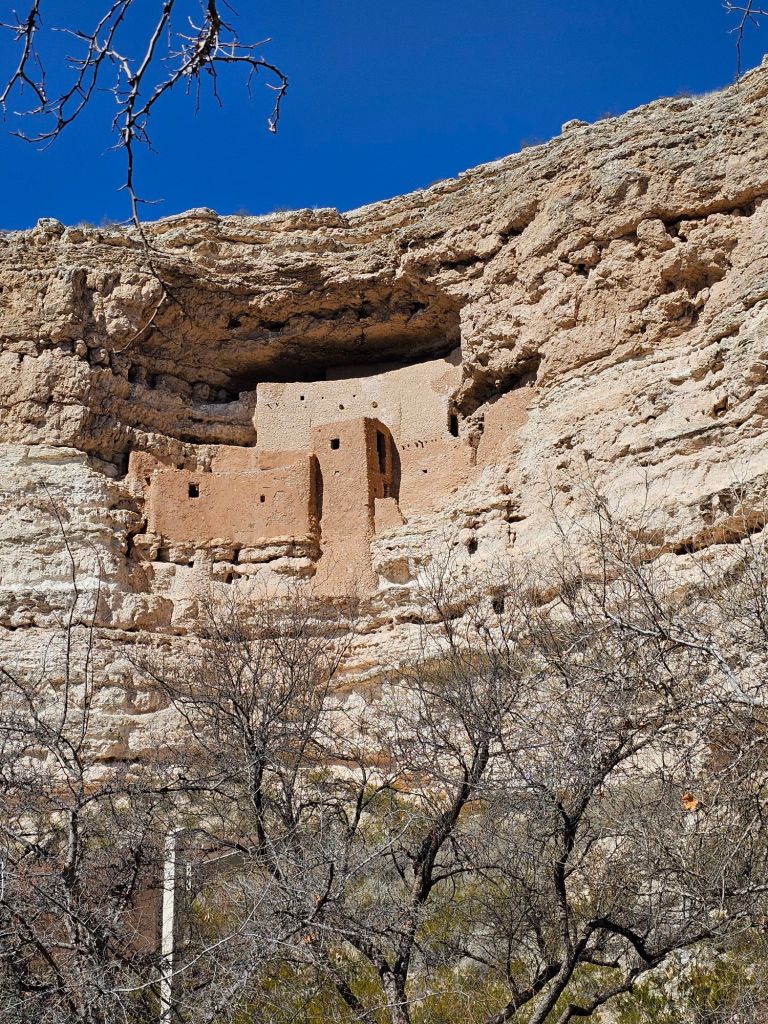
What was there was like no other castle I have seen before. Built by the Sinagua people in 1050 AD, this “castle” was more of an ancient apartment building.
Verda Valley in Arizona was the settling place for the Sinagua people as early as 650 AD. When they first arrived, their housing was built by digging into the ground, creating “pit housing.” When you visit Montezuma’s Well, you can see the remnants of a pit house there.
Moving into a high rise
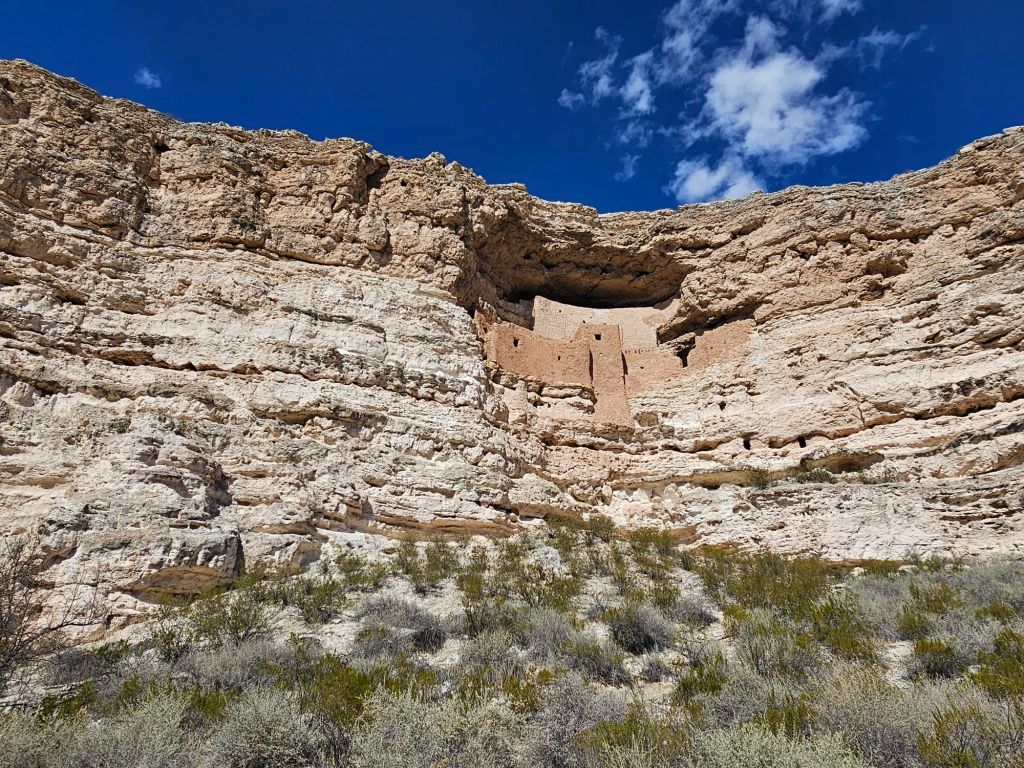
Around 1050 AD, the Sinagua people decided the cliffs would be a better home. They believe the Sinagua people moved into the cliffs for protection from animals and other travellers. They made their homes in natural caves within the limestone wall. Structured with wood from the surrounding area and mud mortar to strengthen the caves, they had a clear view of the surrounding area. Accessing their homes with wooden ladders, they became the first apartment dwellers in North America.
There are 20 rooms in which entire families lived. As I gazed upon the structure, it was so intrigued at both the ingenuity and practicality of this cliffside dwelling.
The Sinagua people lived in the cliffside dwellings until about 1400 AD when it was abandoned and the people moved to other regions.
When in Arizona, I highly recommend making Montezuma’s Castle, Montezuma’s Well, and the Crane Petroglyph Site, which are all in easy proximity to each other. It is a fascinating trip through history.
Fort Worth Stock Yards, Texas
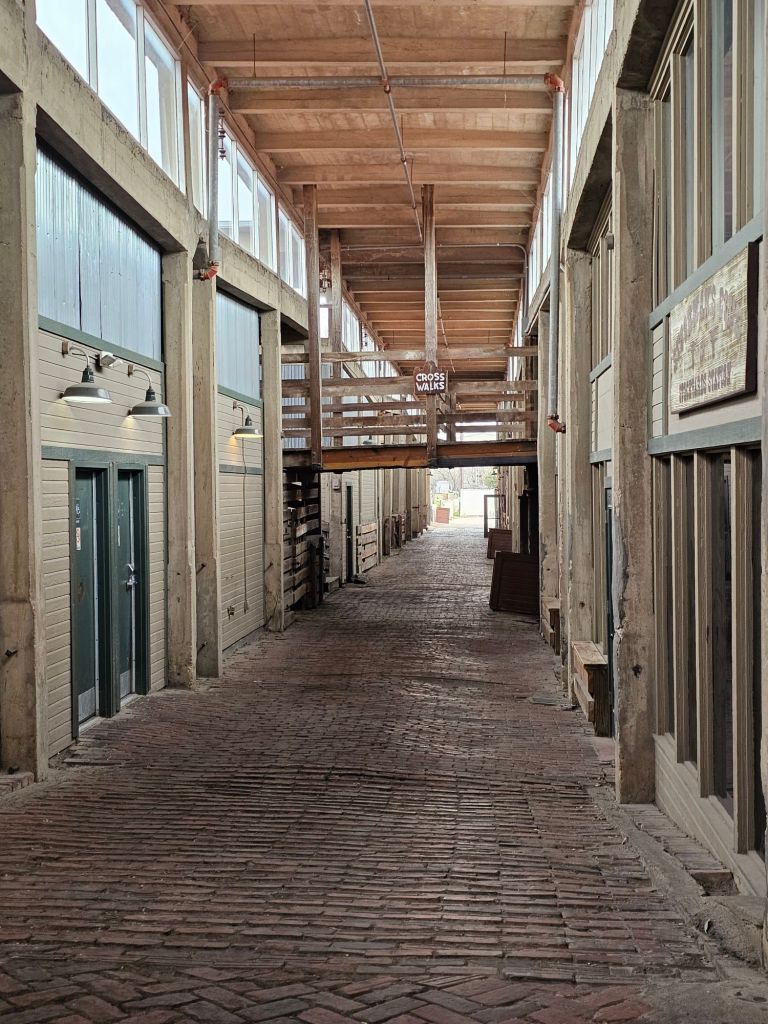
Let’s come forward a little in time and go back to the days of cowboys. When they rode the wild west on horseback and the cattle were the biggest source of income.
When I visited Texas, many people said I would enjoy the Fort Worth Stockyards. I decided to drop by for an afternoon and stayed for two days. What an amazing atmosphere with cowboys on horseback and long horn cattle around every corner. I even sat in my van drinking coffee and watched as a cowboy rode by while I sipped my morning coffee. Hahaha! Oh so cool.
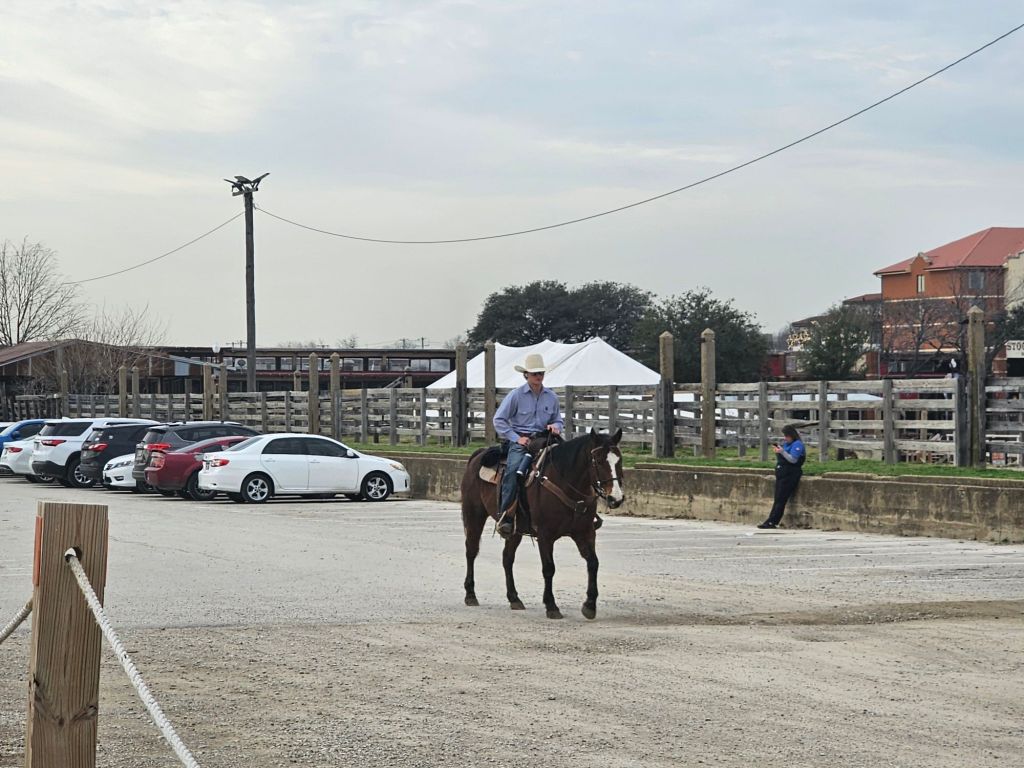
In the late 1800s, cattle drives would stop in Fort Worth before crossing the Red River and all the hazards it would entail. Fort Worth became known as a cattle town. By 1876, the railroad came to town bringing with it new opportunities for this “cow town” to thrive.
As the town grew and investors became interested in this bustling area. The railroad created Fort Worth, a major shipping area for cattle. Soon, other businesses would come, including meat packing plants, and a livestock exchange was created.
The Cowtown Coliseum
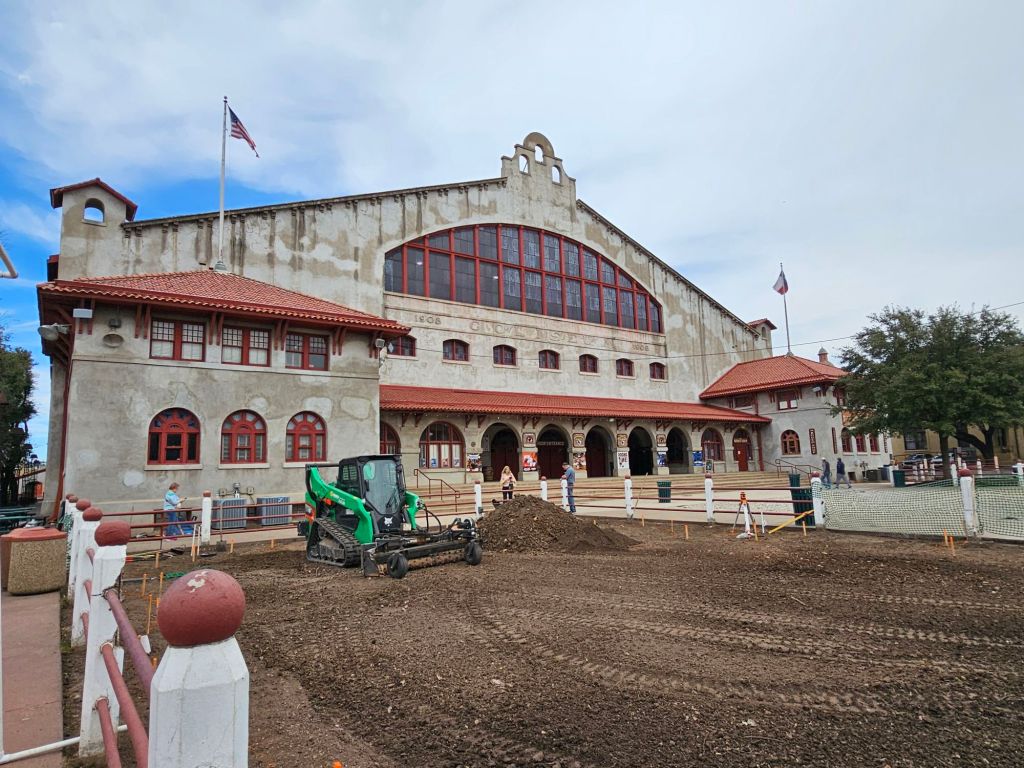
Knowing they needed indoor space for the Livestock Exchange, in 1903, the Cowtown Coliseum was built. It’s interesting to note that it only took 88 days to build this most impressive building. Today, rodeos and professional bullriding are still a feature in this beautiful historical building.
While I was there, I had the pleasure of attending my first PBR Bullriding Championship. What a great evening that was. To experience all of that excitement knowing I was sitting in a place where it all began. That was cool.
The Long Horn Cattle Drive
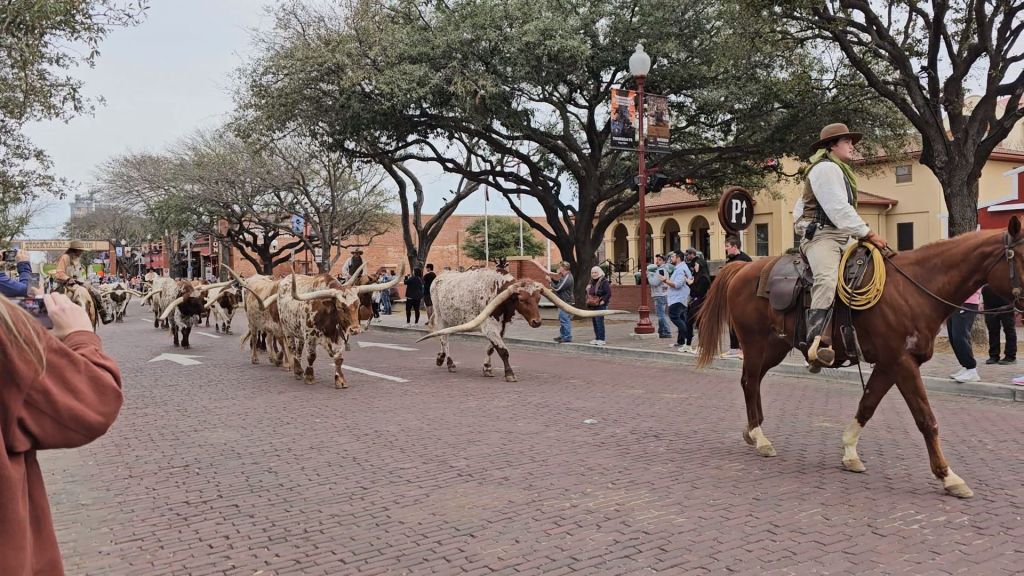
As you walk through the buildings and alleyways of this historical wonder, you are really brought back to the early 1900s. Cobblestone streets and isles lead you through cattle pens and back in time. Twice daily, there is a longhorn cattle drive that happens in the middle of town. What beautiful majestic animals they are. It was fun to watch the cowboys lead the herd through town as they would have all that time ago.
Oak Alley Plantation, Louisiana
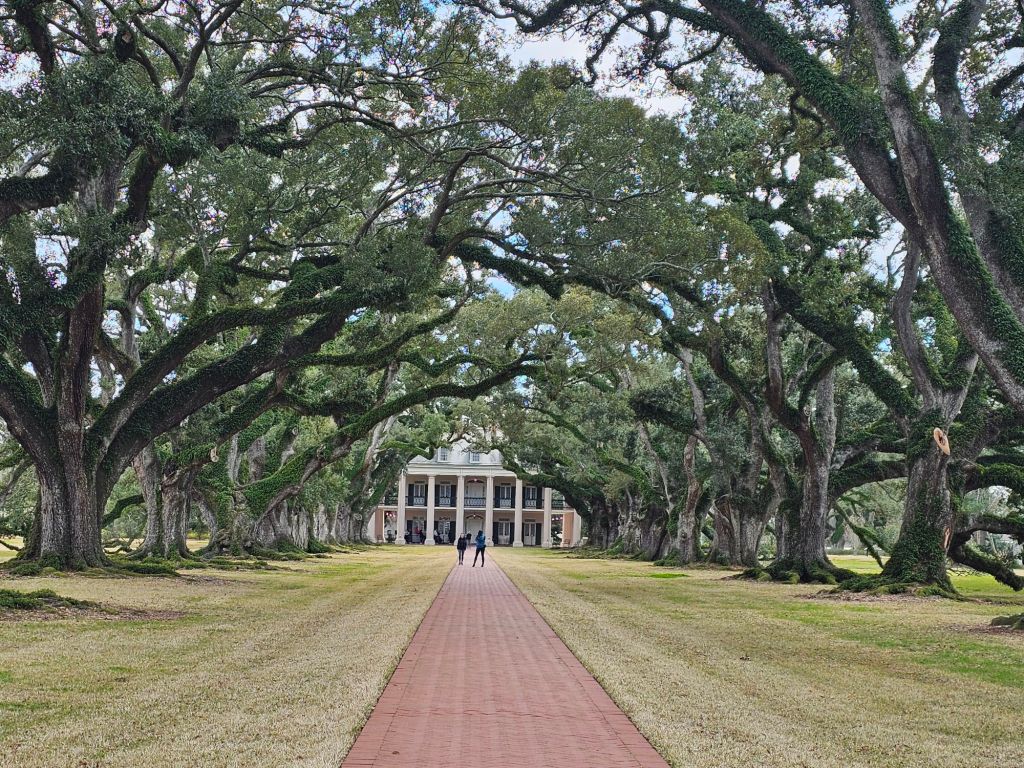
Deep in Louisiana lays a gem of history. As you approach the main house, a line of 28 oak trees, some more than 200 years old, line the way. A story lays before you of slavery and freedom. Of hard work and beautiful surroundings. Oak Alley was a sugar plantation built in the time of slaves. People bought and sold to toil for someone else’s gold. The main house is surrounded by pillars and statues. The slave quarters small buildings at the back of the property.
Standing at the front of the estate, you can see the mighty Mississippi River, which they would use to transport the sugar cane. Oak Alley could have up to 200 slaves to work the fields. Each having their own responsibilities for production. Their homes were made of wood on dirt floors. For all accounts, it is said Oak Alley slaves were treated well and were happy working there. Even when freedom came, some chose to stay.
The line of oak trees representing each pillar around the house creates a magical walkway to the past with its over hanging branches producing a beautiful canopy.
As you walk the grounds and listen to the stories, you get a sense of life in the early 1800s. Oak Alley has such an interesting story it deserves its own blog. Get all the great details on this fabulous piece of history here. When in Louisiana, make Oak Alley your RV Travel destination. You will be glad you did.
The Diefenbunker
In all my years (we will not mention how many) of living in Ontario, I had never even heard of the Diefenbunker. It intrigued my interest, especially since I had met Prime Minister Diefenbaker as a child. He was a very nice man.
When I saw the name, I knew it had to be something to do with him. What it was, I was not sure. A quick Google search, and I knew I had to go check this out.
The Diefenbunker, named after the Prime Minister, who mandated it to be built, is a stark reminder of the Cold War and the catastrophic damage that could have been done. Built for the sole purpose of keeping the government running in case of a nuclear strike.
An Underground Fallout Shelter
By 1959, the Cold War was heating up. Talk of nuclear weapons was stirring. Prime Minister Diefenbaker decided an ungrounded communications center must be built to house those needed to keep the country running.
A top secret operation built 75 feet underground. Four floors of living, working and running a country in the most basics of atmosphere. It could house up 535 people. Only necessary personnel would be able to go into the bunker. Not even the Prime Ministers family would be allowed to join.
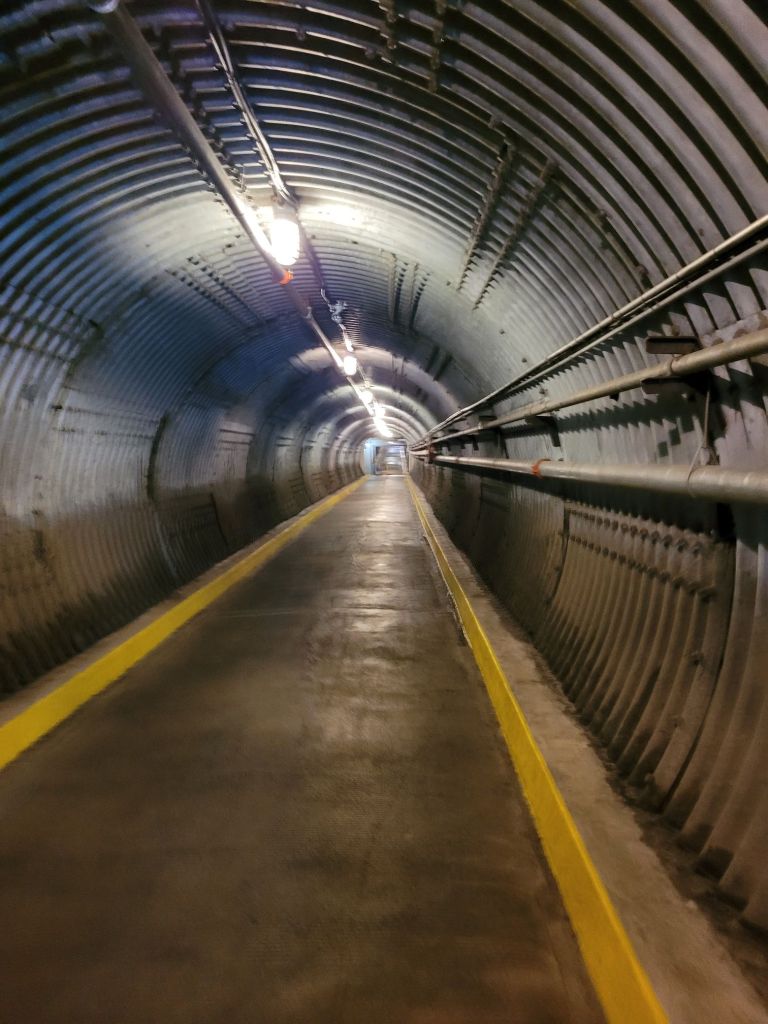
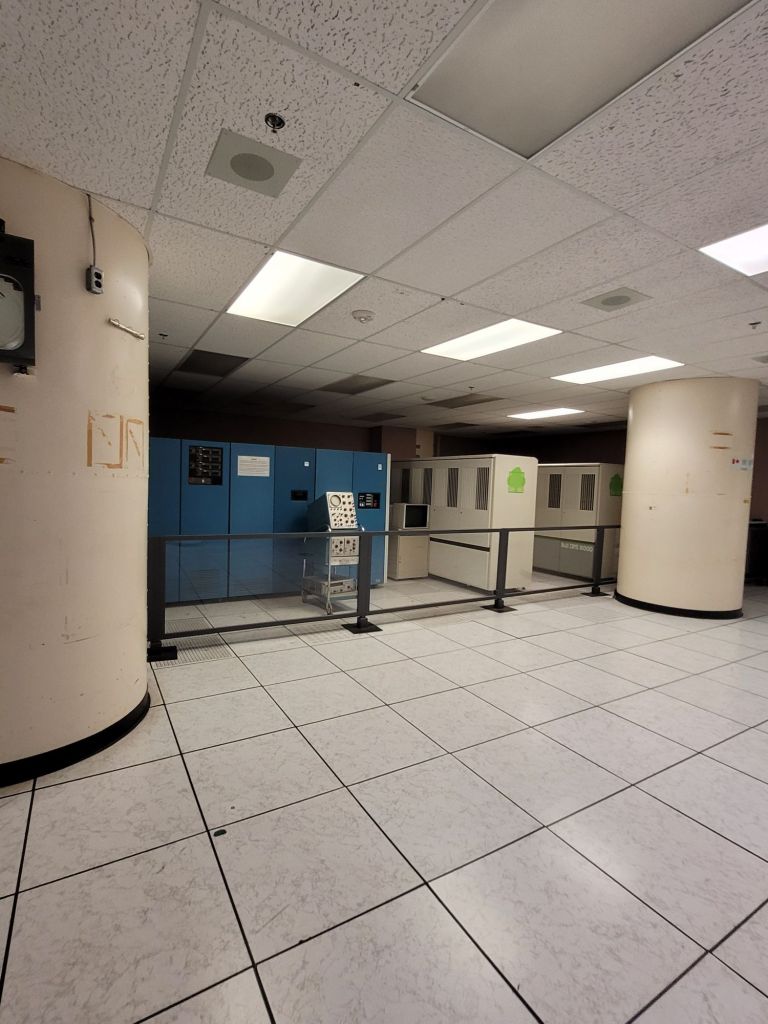
Finished in 1962, it would thankfully never be used. Now, a museum it will take you back to the sixties. Starting with the long aluminum corridor as your descendants underground. You can see banks of computers that would now be run on your phone. Small bunks and living quarters and conference rooms with big black rotary phones and ashtrays lining the table. What an incredible trip to the past. Check out all the juicy details on my feature travel blog.
When in the Ottawa area, stop in Carp and go underground to experience this excellent trip into history.
Fort George, Niagara-On-the-Lake, Ontario
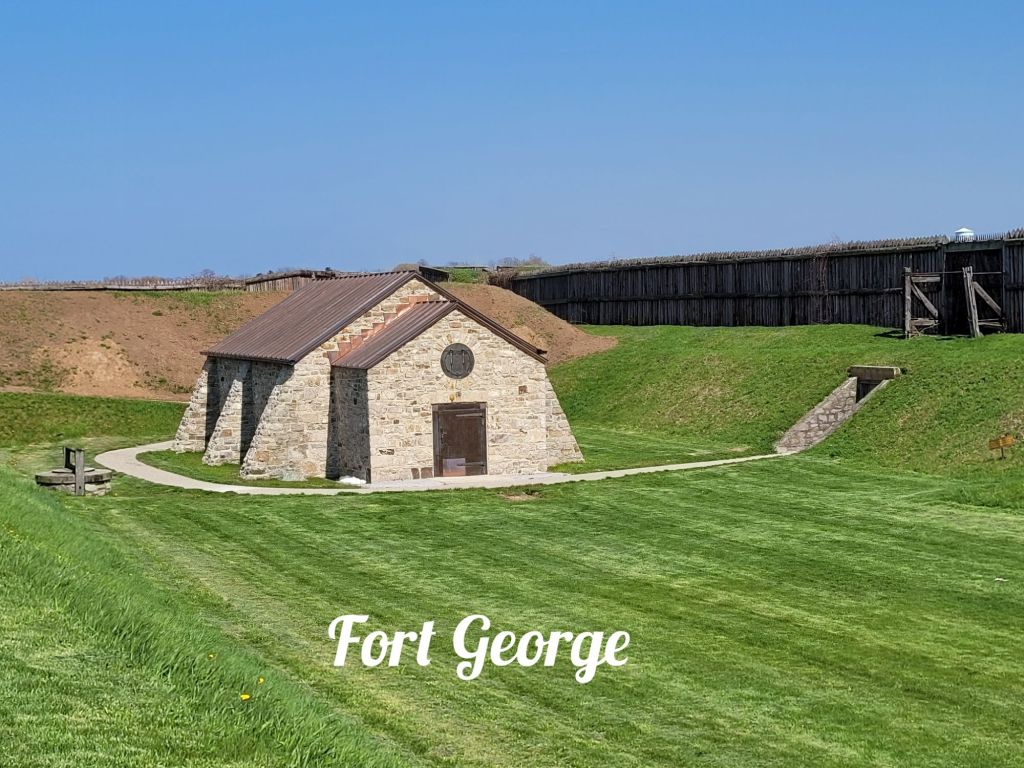
Niagara is known for its war time history. All over the Niagara Region, there are stories of battles and triumphs of the fight for Canada’s sovereignty.
Fort George is a shining example of the fortification used and needed to win this most important war.
Walking through the large wooden door and into a time of soldiers and muskets. High wooden walls with large cannons waiting for the enemy to appear. If you time it right, you can even smell the smoke from a recently fired musket.
A cast of characters in time period clothing will tell you the tales and adventures of the men and women who stayed at the fort. Those who fought and paid the ultimate price for the place Canadians call home.
When in Niagara, make sure to make a stop at Fort George and live a little history.
Really love history. You have to check out my friend Daphne’s blog. Check it out here.
Thanks for coming along on my RV travel trip through some excellent historical adventures. See you next week.
Chipmunk
Love this blog. My coffee cup is my tip jar. I appreciate your support of my blog and my coffee habit. 💜

 Chipmunk's RV Life
superior! Famous Band Announces Reunion Tour After Decades 2025 jolly
LikeLike